
If you ask anyone who knows Maharashtra, they'll tell you the best time to visit is during the winter, which runs from October to February. This is when the weather is at its absolute best—think pleasant days, cool nights, and clear blue skies. It's the perfect backdrop for everything, from wandering through Mumbai's chaotic and charming streets to relaxing on the quiet beaches of the Konkan coast.
Decoding Maharashtra's Travel Seasons
Thinking about when to visit Maharashtra is a bit like choosing a filter for your holiday photos. Each season paints the state in a completely different light, offering a unique mood and experience. Winter is the crowd-pleaser, giving you that crisp, clear setting that’s perfect for sightseeing, trekking, and just about any adventure you have in mind.
To help you figure out what works for you, let's break down what each season actually feels like on the ground. Maharashtra really has three main seasons: a cool and dry winter, a hot and humid summer, and a lush, wet monsoon. The right choice really just depends on what kind of trip you’re looking for.
Maharashtra Seasons at a Glance
Here’s a quick summary of what to expect from Maharashtra's three distinct seasons, making it easier to pick the perfect time for your visit.
| Season | Months | Weather Conditions | Best For |
|---|---|---|---|
| Winter | October – February | Cool, dry, and pleasant. Clear skies and comfortable temperatures. | Sightseeing, trekking, beach holidays, festivals. |
| Summer | March – May | Hot and humid, especially in coastal and central areas. | Hill stations, budget travel, avoiding crowds. |
| Monsoon | June – September | Heavy rainfall, lush green landscapes, high humidity. | Nature lovers, chasing waterfalls, scenic drives. |
Ultimately, winter is the hands-down winner for most travellers, which is why it's our peak tourist season. The weather is just unbeatable.
Why Winter is Peak Season
The popularity of the winter months isn't just a feeling; the numbers back it up. January, for example, is consistently the busiest month for tourism in the state.
One official survey showed that January alone brought in a massive 63,78,229 domestic tourists and 2,41,555 international visitors in a single year. Why? It all comes down to that fantastic weather.
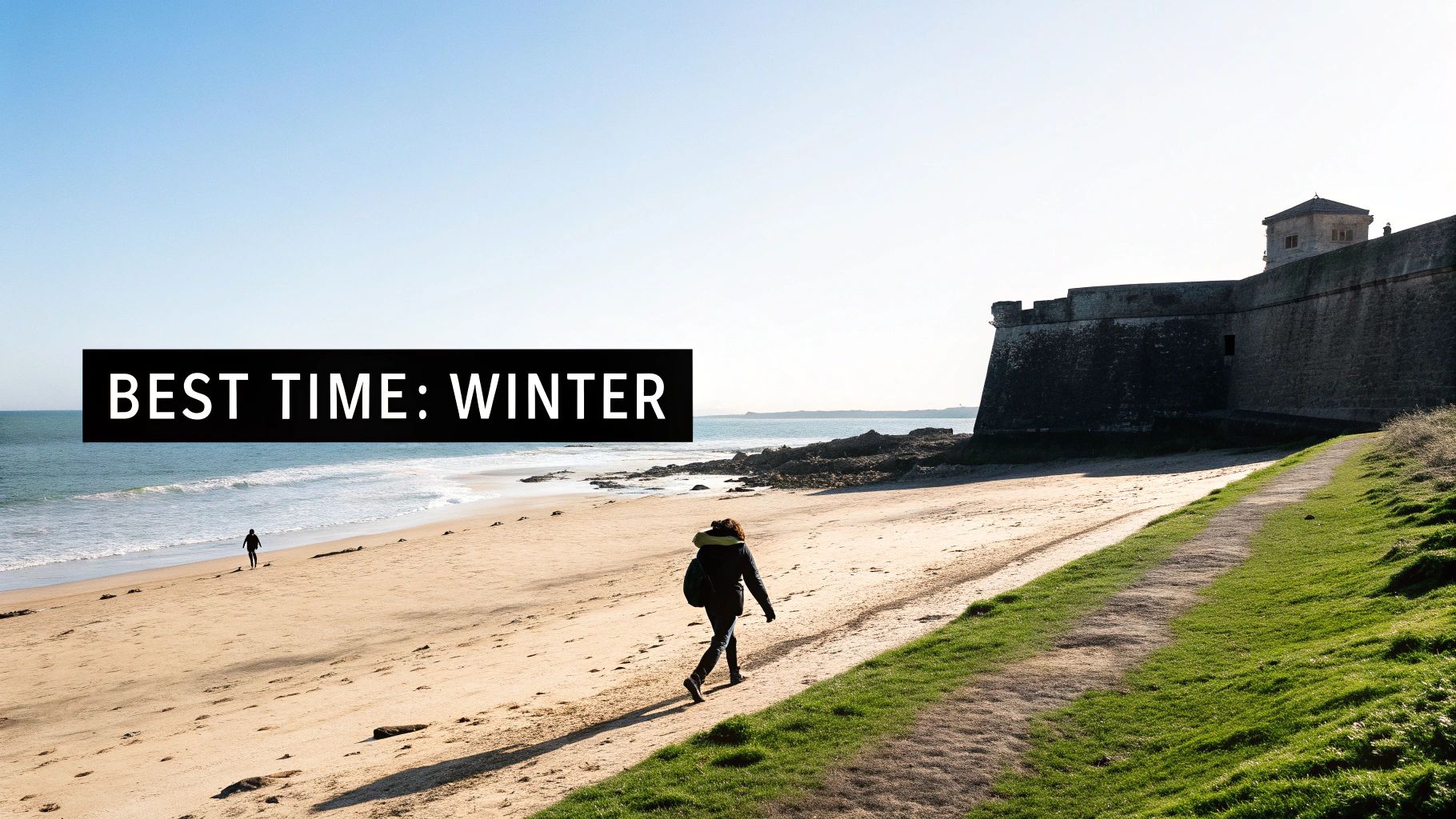
This prime weather window is especially great for exploring the stunning coastline. If a trip to the scenic Konkan region is on your mind, you can find some excellent Malvan tour packages designed to make the most of this beautiful season.
Visiting Maharashtra in Winter (October to February)
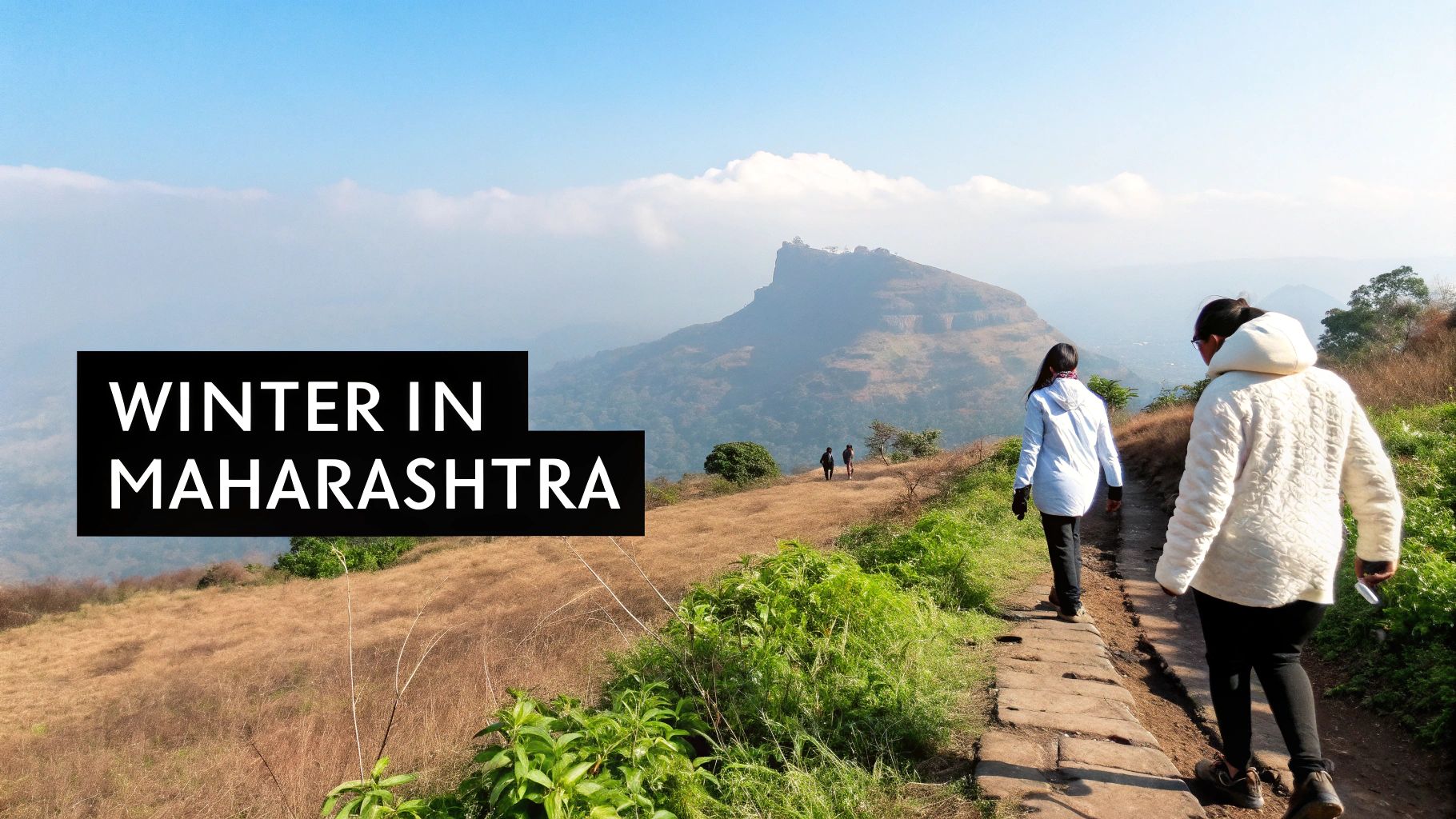
When the monsoon finally bids farewell, it leaves behind a Maharashtra that’s been washed clean, looking fresh and ready for visitors. This is when the state truly shines. The winter months, from October to February, are hands down the best time to visit, and for very good reason.
That heavy, sticky humidity from the previous months disappears, replaced by a cool, dry air that’s a real treat. Think of it as the state switching on its natural air conditioning. It’s perfect for exploring, whether you're wandering through Mumbai's old colonial streets or haggling in Pune's busy markets.
Daytime temperatures hover comfortably between 20°C and 30°C, so you can be outdoors without feeling drained by the heat. The evenings get a little chilly, especially as you head up into the hills. A light jacket is all you’ll need for a pleasant evening stroll in places like Lonavala or Mahabaleshwar, where the crisp air feels incredibly refreshing.
Top Winter Experiences in Maharashtra
This season is about so much more than just nice weather. It’s about all the amazing things you can finally do comfortably. Winter strikes the perfect balance between adventure and culture, offering something for everyone.
Here’s a taste of what makes a winter trip to Maharashtra so special:
- Hit the Coast: The Konkan coast, with its beautiful beaches and old forts, is at its absolute peak. The sea is calm, the skies are clear, and it’s the ideal time for swimming, sunbathing, or even spotting some dolphins.
- Trek the Sahyadris: The Western Ghats are still glowing with lush greenery from the rains, making for some spectacular trekking. The trails are no longer slippery and dangerous; they're safe, accessible, and offer views that will take your breath away.
- Go on a Safari: If you're into wildlife, winter is your season. The cooler temperatures mean the animals are more active during the day. This seriously ups your chances of spotting tigers and other incredible wildlife at reserves like the Tadoba Andhari Tiger Reserve.
- Join the Festivities: The cultural energy during these months is electric. The season kicks off with Diwali, the festival of lights, which bathes every street and home in a warm, celebratory glow.
The real magic of a Maharashtrian winter is its sheer variety. You could be exploring the ancient Ajanta and Ellora caves under a perfect blue sky one day, and sipping a hot chai at a scenic viewpoint in the hills the next.
A Festival of Lights and Culture
The cultural calendar is packed during winter. Diwali, which usually falls in October or November, turns the entire state into a spectacle of light and joy. It’s a fantastic opportunity to see local traditions up close, with families lighting up their homes with clay lamps (diyas) and creating beautiful rangoli patterns on their doorsteps.
As the season goes on, you’ll find local village fairs (jatras), buzzing music festivals in Pune, and vibrant art events in Mumbai. The festive atmosphere is contagious and adds another layer of warmth to your trip. It’s this combination of perfect weather and cultural richness that makes winter the undisputed best time to visit Maharashtra.
Visiting Maharashtra in Summer (March to May)
Thinking of a trip to Maharashtra between March and May? Let's be honest, it gets incredibly hot. Inland spots like Nagpur and Aurangabad can easily push past 40°C, which makes wandering around in the afternoon a real test of endurance.
But here’s the upside for a smart traveller: this is the low season. With fewer tourists around, you can explore world-famous sites like the Ajanta and Ellora caves without the usual crowds. It’s a chance for a much more personal and quiet experience. Plus, it's the best time to snag great deals on flights and hotels, making it a win for your wallet.
Working With the Heat, Not Against It
The secret to a great summer trip in Maharashtra isn't about toughing out the heat; it's about planning your day around it. A little bit of smart scheduling makes all the difference. Think like a local: get your exploring done before the sun is high in the sky.
Here’s a simple way to structure your days:
- Early Morning Adventures: Be the first one at the gates. Most forts and monuments open at sunrise, giving you a few precious, cool hours to see everything before the heat really kicks in.
- Midday Siesta: From noon to about 4 PM, it's time to head indoors. This is your chance to check out air-conditioned museums, browse the covered sections of local markets, or just find a nice café to relax with a cold drink.
- Evening Wanderings: Once the sun starts to dip, the temperature becomes much more pleasant. It’s the perfect time for a leisurely stroll, finding a spot for dinner by the water, or soaking up the local nightlife.
Finding Your Cool Spot
If the idea of the plains in summer is just too much, don't worry. This is the perfect excuse to head for the hills. Maharashtra is blessed with stunning hill stations that offer a cool escape from the heat below.
You can think of places like Matheran, Mahabaleshwar, and Panchgani as Maharashtra's natural air-conditioners. While the rest of the state is baking, these spots stay cool and misty, providing a much-needed break.
And for those who love the sea, the summer sun opens up some great chances for fun in the water. Sunbathing might not be comfortable during the peak of the day, but the early mornings are ideal for getting into the clear, calm sea. In fact, the water visibility is often excellent, making it a fantastic time for underwater activities. You can find out more about your options for water sports and scuba diving in Malvan in our complete guide. With a bit of planning, a summer visit can be a truly special experience.
Visiting Maharashtra in Monsoon (June to September)
The monsoon in Maharashtra isn't just a change in weather; it's a full-blown spectacle. Between June and September, the entire state gets a dramatic, vibrant makeover. The rains arrive and wash everything clean, getting rid of the summer dust and leaving behind a green so lush it barely looks real. Forget staying indoors—this is when Maharashtra truly wakes up.
Picture the Western Ghats, also known as the Sahyadris. Just a few weeks earlier they were brown and parched, but now they're covered in what looks like deep green velvet. Waterfalls that were just a trickle in the summer heat are now thundering down the mountainsides. It’s a dream come true for photographers and anyone who loves nature.
The Charm of a Rain-Soaked Adventure
Some folks might be put off by the idea of travelling in the rain, but a monsoon trip to Maharashtra is something else entirely. It's refreshing, misty, and cool—a welcome break from the usual heat. And that smell of the first rain on dry soil, what they call petrichor? It’s everywhere, making the whole experience even better.
This is the perfect season for a certain kind of travel:
- Scenic Drives: The winding roads through hill stations like Lonavala, Igatpuri, and Malshej Ghat are absolutely stunning. You'll often find yourself driving right through the clouds.
- Waterfall Chasing: Places like Bhandardara and Amboli become major hotspots. People flock there to see the waterfalls in all their powerful, monsoon-fed glory.
- Cosy Retreats: It's the best time to book a quiet resort or a homestay with a great view. Just sit back with a hot cup of chai and watch the rain transform the world outside your window.
What to Expect and How to Prepare
Of course, a monsoon trip needs a bit of practical thinking. The rains, especially in July and August, can be heavy and might cause some travel delays. Roads in hilly or rural areas can get slippery, and cities like Mumbai can experience some waterlogging.
The real secret to a great monsoon trip is to just go with the flow. Don't let a delayed train or a blocked road ruin your plans. See it as a chance to discover a hidden local spot or simply soak in the moment.
What you pack makes all the difference. You absolutely need a good pair of waterproof shoes with solid grip. A decent raincoat or umbrella is a must, along with clothes that dry quickly. And don't forget waterproof bags or sleeves for your phone and camera to keep them safe from the dampness.
While the monsoon might not be the standard best time to visit Maharashtra for sunbathing on a beach, it shows you the state at its most raw and beautiful. If you're willing to embrace the rain, you'll be rewarded with a landscape that looks like it's been born again in a million shades of green. It's a truly magical sight.
How Climate Varies Across Maharashtra's Regions
Thinking Maharashtra has just one climate is like saying all food tastes the same. The state is huge, and the weather completely flips as you travel from the salty air of the Konkan coast to the cool mountain peaks of the Ghats and the sun-baked plains inland. Knowing these differences is the key to planning a trip that's perfect for you.
This incredible diversity is exactly what brings so many people here. Maharashtra now welcomes a staggering 9.37 million tourists every year, making it the second most popular state for foreign visitors in India. This just goes to show how much global interest there is in exploring the state's unique corners. You can see the latest government data on this trend reported by The Times of India.
To get the most out of your trip, it helps to understand how the weather shifts from one area to the next.
Seasonal Guide to Maharashtra's Regions
Here’s a quick breakdown to help you match your travel plans with the perfect regional climate.
| Region | Best Months | Why Visit Then | What to Avoid |
|---|---|---|---|
| Konkan Coast | October – February | Pleasant, sunny days with cool sea breezes. Perfect for beaches. | Heavy monsoon rains (June-September) can disrupt travel plans. |
| Western Ghats | June – September | The landscape turns lush green with mist and waterfalls. A trekker's dream. | The peak summer months (April-May) can be quite hot before the rains arrive. |
| Deccan Plateau | October – February | Mild, dry, and sunny weather. Ideal for exploring historical sites. | The intense summer heat (April-May), when temperatures can soar. |
Each region truly has its own ideal season, so picking the right one makes all the difference for your holiday.
The Humid Konkan Coast
Stretching from north of Mumbai right down to the Goa border, the Konkan region is all about the Arabian Sea. It’s humid all year, but the winters are just beautiful—think warm, breezy days perfect for hopping from one beach to the next.
The monsoon season here is no joke. The rainfall is some of the heaviest in the state, turning everything into a vibrant green paradise. While it's stunning, the downpours can sometimes throw a wrench in travel plans. If you're planning a coastal trip, you can check out a detailed map of key locations in the Konkan region to help map your journey.
The Cool Western Ghats
Running right alongside the coast are the majestic Sahyadri mountain ranges, better known as the Western Ghats. These mountains act as a natural climate barrier, and because they're so high up, it’s always cooler than the plains below.
In the summer, hill stations like Mahabaleshwar and Matheran are the perfect escape from the heat. But the monsoon is when this area really shows off. The mountains get wrapped in thick mist, and waterfalls pop up everywhere you look, making it an absolute haven for trekkers and nature lovers.
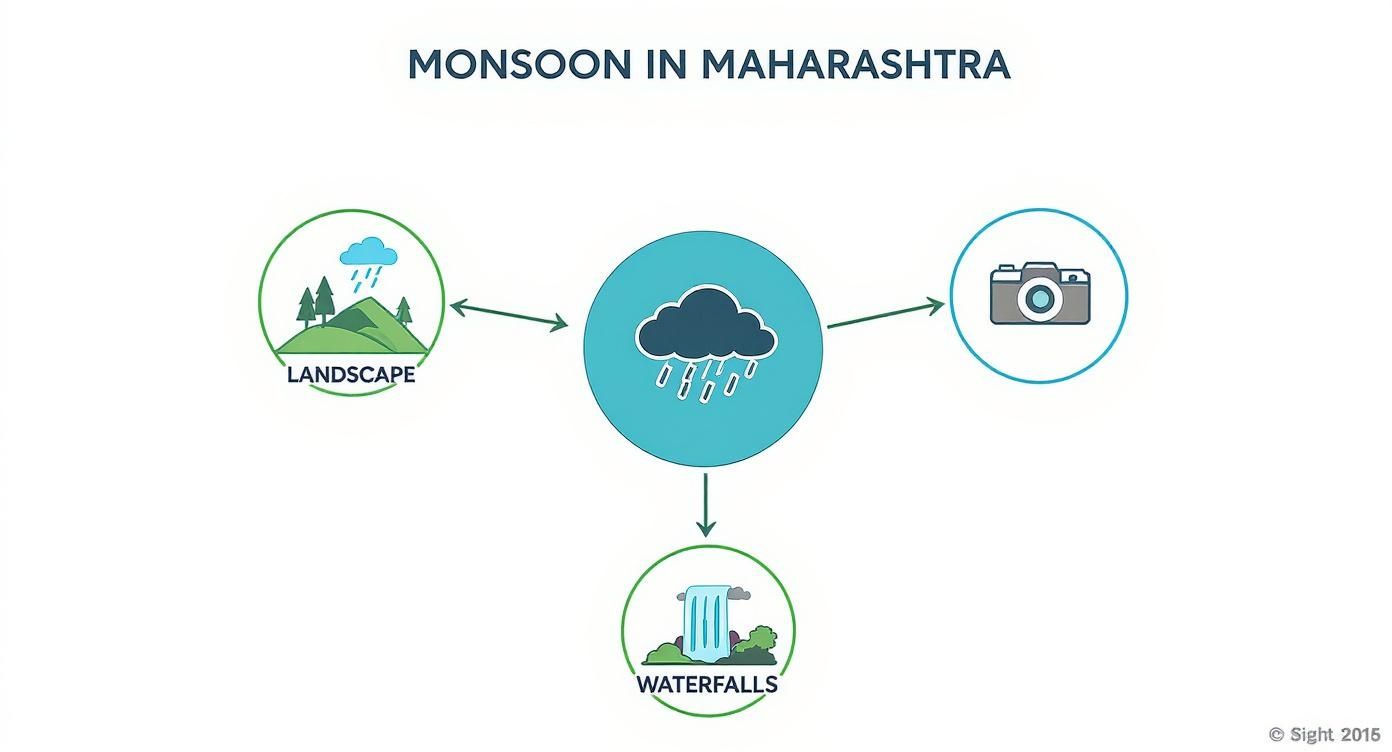
As you can see, the rainy season breathes new life into the landscape, creating spectacular green scenery and powerful waterfalls that are incredible for photos and exploring.
The Dry Deccan Plateau
Head east past the Ghats, and you'll find yourself on the huge Deccan Plateau, which covers most of central and eastern Maharashtra. This is where you’ll find cities like Pune, Aurangabad, and Nagpur, and the weather here is a story of extremes.
The Deccan Plateau is a land of contrasts. Summers are blistering hot and dry, often climbing past 40°C, while the winters are mild, dry, and absolutely delightful.
This clear, comfortable weather from October to February is hands-down the best time to visit Maharashtra's historical heartland. It’s the perfect climate for wandering through ancient wonders like the Ajanta and Ellora caves without battling punishing heat or rain.
Common Questions About Visiting Maharashtra
To help you get your plans sorted, here are a few answers to some common questions we get. Think of it as a final checklist with some practical advice to make sure you're all set for an amazing trip through this incredible state.
Is It Safe to Travel During Monsoon?
Yes, it’s generally safe, but you need to be smart about it. The monsoon (June to September) turns Maharashtra into a lush, green paradise, but it can also throw a wrench in your travel plans. Expect things like flight delays and flooded roads, especially in Mumbai and other low-lying coastal areas.
Always check the weather forecast before you head out for the day. Make sure you pack good waterproof gear and shoes with a solid grip. If you're planning on trekking, stick to the main trails because the paths get incredibly slippery. It's often a good idea to hire a local guide who really knows the area.
What Is the Best Time for a Wildlife Safari?
The best time for a wildlife safari in places like Tadoba Andhari Tiger Reserve is hands down the summer, from March to May. Yes, it gets seriously hot, but that's actually a good thing for wildlife spotting.
As water sources dry up, animals—including those majestic but shy tigers—are forced to come out to the few remaining waterholes. This massively boosts your chances of getting some unforgettable photos. Just remember, most national parks shut down for the monsoon, usually from June to October.
How Should I Pack for a Winter Trip?
Packing for a winter trip between October and February is all about layers. For coastal cities like Mumbai, light cotton clothes are perfect for the daytime.
But don't be fooled! The evenings and early mornings can get surprisingly chilly, especially if you're in hill stations like Lonavala or inland cities like Pune and Nashik. Tossing a light jacket, sweater, or shawl into your bag is a must for staying comfortable after the sun goes down.
If trekking or spending a lot of time outdoors is on your agenda, a comfortable pair of walking shoes and some warmer layers are essential. This simple approach will have you ready for whatever the day brings.
Ready to explore the pristine Konkan coast when it's at its absolute best? Malvan Tour Packages creates custom holidays that let you experience the finest of Maharashtra's beaches, adventure, and local culture. Let us help you plan your perfect coastal getaway at https://malvan.co.in.